

 Nov 19, 2026
 3 min read
Three percent. That's the house edge on a well-played blackjack table—one of the best bets in the entire casino. On a typical slot machine, that same numbe
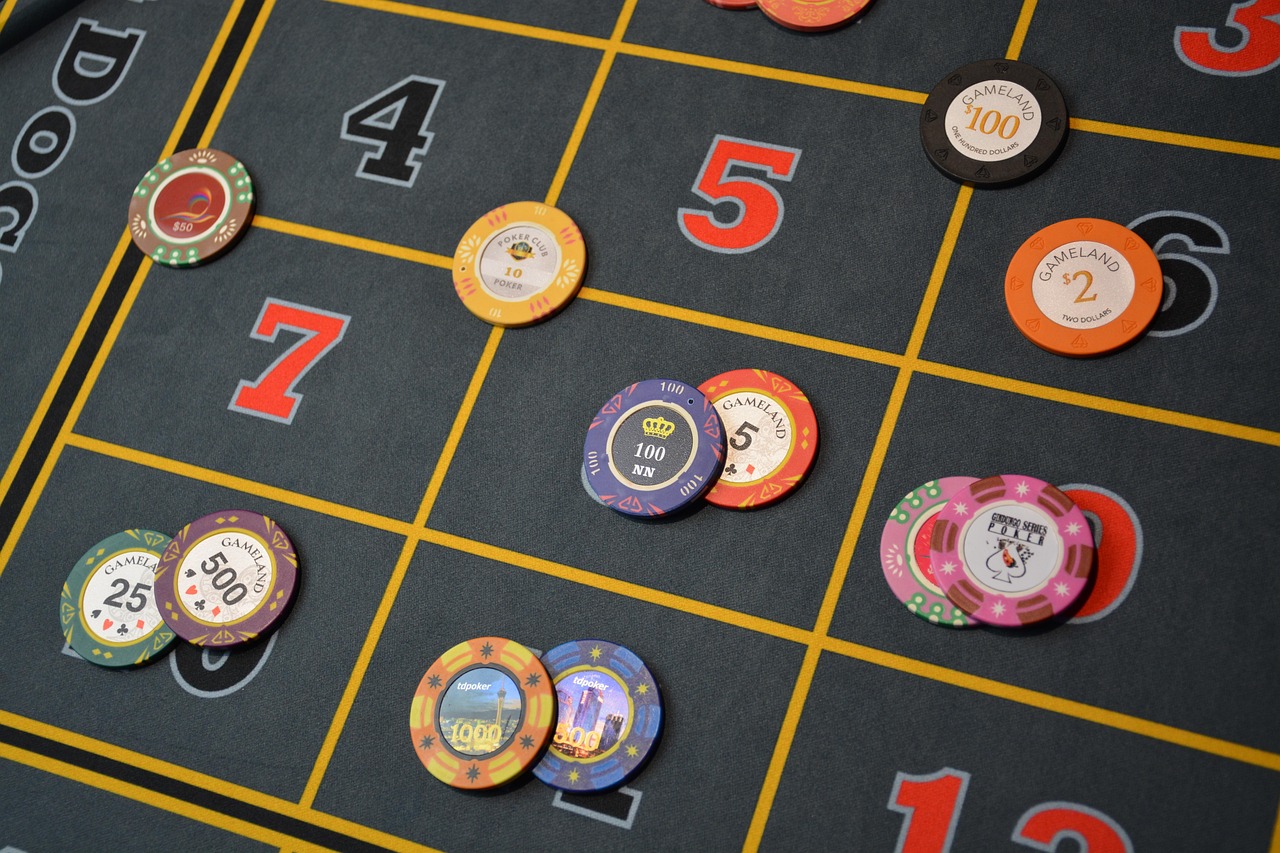
Three percent. That's the house edge on a well-played blackjack table—one of the best bets in the entire casino. On a typical slot machine, that same number balloons to anywhere between four and fifteen percent. Over a few spins, the difference feels irrelevant. Over a thousand, it's the reason one player walks away with a story and the other walks away with nothing.
If you've spent any real time in iGaming, you already know the math is tilted against you. What separates the people who enjoy this hobby responsibly from the ones who fund it recklessly isn't luck. It's understanding how the games actually work, which bets are worth making, and when to stop. Here's what that looks like in practice.
Every game you play in a casino or online has a built-in cost for the operator. That's not a scandal; it's the business model. Your job as a player is to know what you're paying and decide whether the entertainment is worth it.
Consider the spread: If you want to dig deeper, สล็อต is worth a look.
Nobody's telling you to only play blackjack. Slots are fun, and the volatility is part of the appeal. But if you're grinding slots for hours expecting to come out ahead, you're fighting an edge that compounds faster than you think. A 10% house edge means, on average, you lose a tenth of every dollar you wager. Spin $1,000 through and the expected loss is $100—not because the game is rigged, but because that's the margin baked in.
House edge tells you what you lose over time. Volatility tells you how you'll lose it—or occasionally win big. Two slot machines can share the same 96% RTP and behave completely differently.
A low-volatility slot pays small amounts frequently. You can play for an hour on a modest bankroll and rarely see your balance swing wildly. A high-volatility slot might eat 200 spins without a single meaningful hit, then drop a 500x multiplier on spin 201. Neither is better. They just suit different temperaments and bankrolls.
The mistake is playing high-volatility games with a bankroll built for low-volatility ones. If you want to chase a jackpot on a game with extreme variance, you need enough ammunition to survive the dry spells—otherwise you'll bust before the feature ever triggers.
If a slot has a max win of 10,000x and you're betting $1 a spin, you need a bankroll that won't vanish in the first hundred spins. Conventional advice says 200–300x your bet for high-volatility games. That's $200–$300 for a $1 spin. Less than that and you're gambling on luck alone rather than giving the math room to breathe.
Poker gets lumped in with casino games, but it doesn't belong there. In blackjack or slots, you're playing against the house. In poker, you're playing against other people, and the house just takes a rake. That changes everything.
Bad poker players lose more than the rake—they lose to their opponents. Good players can genuinely profit over the long run because they're exploiting the mistakes of others. The house edge is replaced by a skill edge.
That said, winning at poker requires more than knowing your hand rankings:
If you're not willing to study, track results, and treat it as a discipline rather than a way to pass a Friday night, poker is a worse bet than baccarat. The rake is brutal at low stakes, and the pool of strong players is deeper than it's ever been.
Online casinos dangle welcome offers, free spins, and reload bonuses because they work. They also come with terms that quietly shift the math.
A bonus isn't free money—it's a promotional tool designed to increase your playtime. Sometimes that's fine. But chase a bad bonus and you'll lock your bankroll into a requirement you can't realistically meet.
RTP, meanwhile, is one place where online casinos have a genuine advantage over land-based ones. Many online slots run 96% or higher, while physical machines often sit at 85–92% depending on jurisdiction. The trade-off is that online play is frictionless—no drive home, no closing time, no awkward walk past the ATM. That convenience is why bankroll discipline matters more online, not less.
Strip away the strategy talk and most of what defines a healthy iGaming player comes down to three things:
The people who enjoy iGaming most aren't the ones chasing a system or a guaranteed edge. They're the ones who understand the price of the seat, choose games where the price is fair, and never let the thrill override the plan. The math doesn't care about your intuition or your lucky streak. But you can absolutely play within it, have a great time, and walk away without regret. That's the actual skill—everything else is just noise.
Provide clear contact information, including phone number, email, and address.

This post covers tips on color schemes, fonts, and visuals to keep your profile visually appealing and cohesive.
 Sep 21, 2026

Gen Z is reshaping digital interaction. Learn what matters to this generation and how to create authentic, meaningful content.
Sep 15, 2026

Gen Z is reshaping digital interaction. Learn what matters to this generation and how to create authentic, meaningful content.
Sep 10, 2026
Unlock the tools and insights you need to thrive on social media with Creatinggorse. Join our community for expert tips, trending strategies, and resources that empower you to stand out and succeed.

Creatinggorse is your hub for the latest in digital innovation, technology trends, creative insights. Our mission is to empower creators, businesses, valuable resource.
© 2026 Gorse & Thistle. All rights reserved.


Tags
Matthew Kuhnemann
8/2/2024
“I love how this breaks down the importance of consistency and authenticity. It's easy to get caught up in trends, but staying true to yourself really is key. Great read!"